

How to Make Money With a Podcast
This post walks you through the main monetization strategies for podcasters, whether you’re just starting out or already have a steady listener base. You’ll discover which methods work best for different audience sizes and how to implement them without compromising your show’s quality.
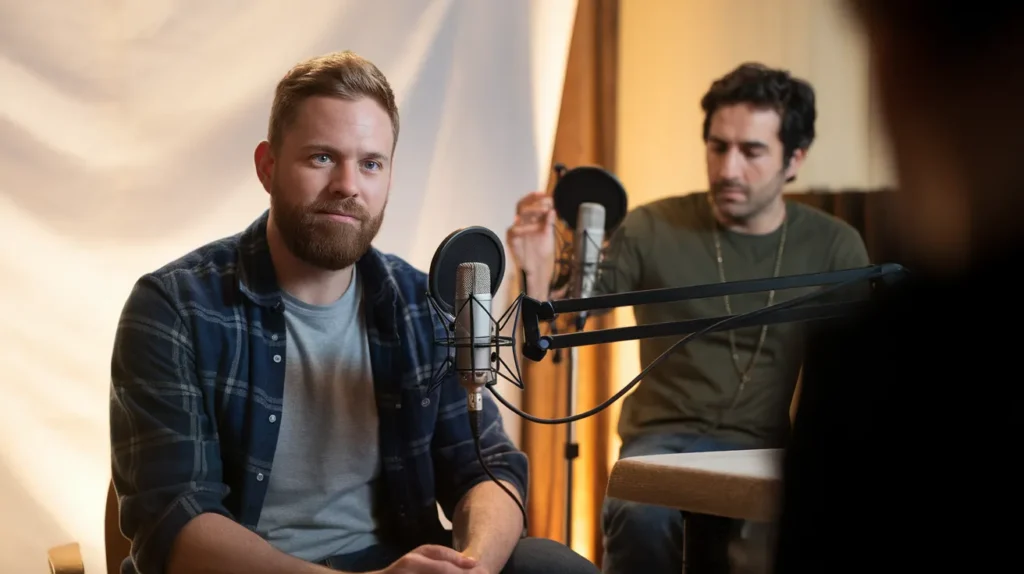
This guide explains how to make money with a podcast for creators who want to turn their show into a real income source. The single biggest factor in podcast revenue is not download numbers but audience engagement and trust.
Most podcasters think they need hundreds of thousands of downloads before they can earn anything meaningful. This assumption keeps talented creators stuck in poverty mode while they wait for massive growth that may never come. The truth is that engaged audiences of even 500 consistent listeners will pay for value they care about. A focused show serving a specific group outearns generic shows with ten times the audience.
Sponsorships Pay More Than You Think With Small Audiences
Brands will pay you to mention their products during your show. The standard rate is $18 to $25 per thousand downloads for a 60-second ad read. That might sound small, but it adds up fast with the right approach.
You can start pitching sponsors at 500 downloads per episode. Focus on companies that sell directly to your specific audience type. A podcast about woodworking can pitch tool manufacturers. A show about remote work can approach software companies that make collaboration tools.
Direct outreach works better than ad networks when you have under 10,000 downloads. Find the marketing director on LinkedIn. Send a short email with your listener demographics and three specific reasons why their product fits your audience. Include your rate sheet and your most recent analytics screenshot.
The best sponsors are companies your listeners already ask you about. Pay attention to questions in your comments or emails. When three people ask about the same type of product, that’s your next sponsor target.
Your Listeners Will Pay You Directly Through Membership Models
Membership programs generate more reliable income than sponsorships. Platforms like Patreon or Supercast let you charge monthly fees for bonus content. Creators with 1,000 regular listeners often convert 2% to 5% into paying members.
The math works in your favor. Charge $5 per month and convert just 3% of 1,000 listeners. That’s $150 monthly, or $1,800 yearly. Get to 3,000 listeners with the same conversion rate, and you’re earning $5,400 per year from memberships alone.
Offer real value behind the paywall. Early access to episodes works well. Extended interviews with guests attract dedicated fans. Monthly Q&A sessions create direct connection. Bonus episodes on related topics keep members subscribed.
The wrong approach is putting your main content behind a paywall. Keep your regular show free. Use paid tiers for extras that enhance the main show without making free listeners feel excluded.
Make Money With A Podcast By Selling Your Own Products
Your show builds an audience that trusts your expertise. That trust converts into product sales at much higher rates than cold traffic ever could. Podcasters who create products matched to their content earn more per listener than any other method.
Digital products cost nothing to produce after the initial creation. An online course teaching your subject area can sell for $50 to $500. Templates, guides, or workbooks sell for $20 to $100. Even a simple PDF checklist at $7 finds buyers among engaged listeners.
Physical products work too. Merchandise generates profit when you use print-on-demand services that handle production and shipping. A cooking podcast can sell custom apron designs. A fitness show can offer branded resistance bands.
The product must solve a specific problem your listeners mention repeatedly. Listen to what they struggle with. Create something that addresses that exact pain point. Mention it naturally during relevant episodes without hard selling.
Your conversion rate depends on product fit. A well-matched product converts 1% to 3% of your total listener base into buyers. That means 2,000 listeners could generate 20 to 60 sales. At $100 per product, that’s $2,000 to $6,000 per launch.
Affiliate Marketing Generates Passive Income From Recommendations
You already recommend books, tools, and services during your episodes. Affiliate links let you earn commission when listeners buy those recommendations. Amazon Associates pays 3% to 10% depending on category. Software affiliates often pay 20% to 40% recurring monthly commissions.
The strategy is simple. Sign up for affiliate programs that match products you genuinely use. Get your unique tracking link. Mention the product naturally in your content. Put the link in your show notes.
Authenticity matters more than volume. One honest recommendation for a product you actually use outperforms ten forced mentions of products you don’t care about. Your audience notices the difference immediately.
Recurring commission programs build compound income. Recommend a $50 monthly software tool with 30% recurring commission. Get 20 listeners to sign up over three months. You now earn $300 monthly for as long as they stay subscribed.
Speaking Gigs And Consulting Come From Podcast Authority
Your podcast proves your expertise to event organizers and potential clients. Speaking fees range from $1,000 for local events to $10,000 or more for established experts. Consulting often starts at $150 per hour and scales with your demonstrated knowledge.
Position yourself as the go-to expert in one specific area. A general business podcast gets ignored. A podcast specifically about pricing strategy for service businesses gets consulting inquiries.
Mention your availability for speaking or consulting once every ten episodes. Keep it brief and natural. Put a simple contact form on your website. Make the process easy for people who want to hire you.
Each speaking gig expands your audience. Ask organizers to let you mention your podcast from stage. New listeners from events convert to customers at higher rates because they’ve seen you present live.
Premium Content Subscriptions Through Podcast Apps
Apple Podcasts and Spotify now offer built-in paid subscriptions. This differs from Patreon because listeners stay inside their preferred podcast app. The convenience increases conversion rates for some audiences.
Apple takes 30% the first year and 15% after that. Spotify’s cut is 5% for two years. Compare these fees to Patreon’s 5% to 12% plus payment processing. Choose based on where your listeners already spend time.
The advantage is reduced friction. Listeners don’t need another account or app. They click subscribe within their current podcast player. The disadvantage is less control over the relationship and customer data.
Test both approaches. Run a Patreon for six months. Then try Apple Podcasts Subscriptions for six months. Your specific audience will show you which platform they prefer through their subscription behavior.
Live Events And Workshops Turn Listeners Into Revenue
Your audience wants to meet you in person. Live podcast recordings, workshops, or meetups create memorable experiences people pay to attend. Ticket prices range from $20 for casual meetups to $500 for intensive workshops.
Start small with a local meetup. Charge just enough to cover venue costs. Learn what your audience wants from in-person events. Scale up based on demand and feedback.
Virtual events work just as well and cost less to produce. A three-hour online workshop needs only a Zoom account and a payment processor. Charge $50 to $150 per attendee. With 30 participants, you’ve generated $1,500 to $4,500 for one afternoon.
Record everything and sell it afterward as an evergreen product. One live event becomes multiple income streams when you repurpose the content intelligently.
Licensing Your Content Creates New Revenue Streams
Other creators and media companies will pay to use your podcast content. Clip licensing for YouTube channels, TV shows, or documentaries generates anywhere from $100 to $10,000 per use depending on the buyer and usage rights.
Educational institutions license podcast episodes for courses. Businesses license content for internal training. The key is creating content valuable enough that others want to share it with their audiences.
Set clear terms on your website about licensing inquiries. List your rates for different uses. Make it easy for potential licensors to contact you with specific requests.
Building An Email List Multiplies Everything Else
Every listener should join your email list. Email subscribers buy products at five times the rate of general listeners. They’re more likely to become members, click affiliate links, and attend events.
Offer a free download related to your podcast topic in exchange for an email address. Mention it at the end of every episode. Put the signup link in every show note.
Send one email weekly with genuine value. Share extended thoughts on your latest episode. Recommend resources. Tell stories you didn’t include in the show. This regular contact keeps you present in their minds when they’re ready to buy.
Your email list is the only audience you truly own. Podcast platforms can change their algorithms or shut down. Your email list goes with you anywhere. Treat it like the valuable asset it is.
Pick one income method from this guide and spend the next 30 days building it before adding another.
Frequently Asked Questions
How many downloads do I need before I can make money with a podcast?
You can start earning with 500 consistent downloads per episode. Direct sponsorships, memberships, and products all work at this level. Focus on audience engagement over raw numbers for faster monetization.
What is the fastest way to monetize a new podcast?
Affiliate marketing and direct product sales generate income fastest. You don’t need to negotiate contracts or build membership platforms. Start recommending products you use with affiliate links in your show notes immediately.
How much do podcasters actually make per episode?
Income per episode varies wildly based on monetization method and audience size. Sponsorships pay $18 to $50 per thousand downloads. A 1,000-download episode with one sponsor earns $18 to $50 per episode published.
Should I use Patreon or built-in podcast subscriptions?
Test both platforms with your specific audience. Patreon offers more features and community tools. Built-in subscriptions have less friction for listeners. Your audience behavior will show which platform converts better for you.
Can I make a full-time income from podcasting?
Yes, but most full-time podcast income comes from multiple revenue streams, not the show alone. Combine sponsorships, products, consulting, and memberships. Treating podcasting as one part of your business model works better than relying on it exclusively.