

Print On Demand Business
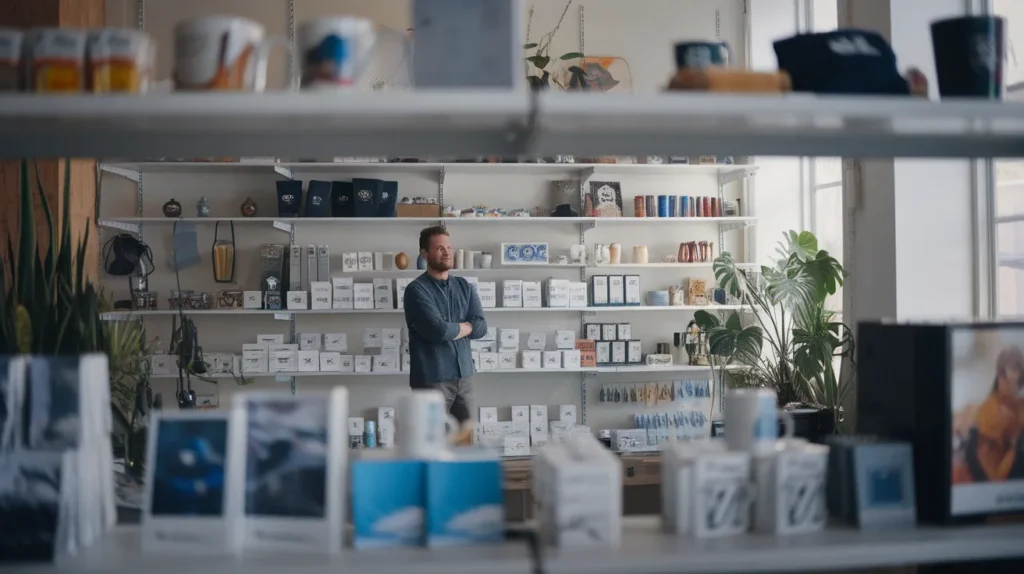
A print on demand business lets you sell custom products without holding inventory or managing shipping. The biggest advantage is that you risk almost nothing to start, but the real challenge is standing out in a crowded market where everyone has access to the same tools.
Most people think a print on demand business succeeds by finding the perfect niche or design. This is wrong because thousands of sellers target the same niches with similar designs. What actually determines success is your ability to drive traffic and build an audience that trusts you enough to buy repeatedly.
How a Print on Demand Business Actually Works
You create designs or hire someone to make them. You upload these designs to products on a platform like Printful, Printify, or Gelato. When someone buys from your store, the platform prints the item and ships it directly to your customer. You never touch the product.
The platform charges you a base cost for each item. You set your retail price. The difference is your profit. A t-shirt might cost you twelve dollars to produce and ship. You sell it for twenty-eight dollars. You make sixteen dollars per sale.
The platform integrates with selling channels like Shopify, Etsy, Amazon, or your own website. When an order comes through, the platform receives it automatically. They handle production, quality checks, and shipping. You handle marketing, customer service, and design.
Picking Products That People Will Actually Buy
Start with apparel because people understand the sizing and quality expectations. T-shirts, hoodies, and sweatshirts make up most successful print on demand stores. They have decent profit margins and wide appeal.
Avoid phone cases and pop sockets. These markets are saturated with cheap alternatives from China. Customers expect to pay very little for these items. Your margins will be too thin to profit after advertising costs.
Home decor items like posters, canvas prints, and throw pillows work well for specific audiences. They have higher price points and better margins. But they only sell to people who care enough about a topic to decorate their home with it. Your designs need to connect deeply with your audience.
Mugs and water bottles seem appealing but break easily in shipping. Customer complaints and replacement costs eat into profits. Only add these after you have consistent sales with apparel.
Choosing the Right Platform for Your Print on Demand Business
Printful offers the best quality and fastest shipping in the United States. Their base costs are higher than competitors. But fewer damaged items and faster delivery times mean happier customers and fewer refunds.
Printify connects you to multiple print providers. You can choose different suppliers for different products. This gives you flexibility on pricing and shipping locations. The interface is less polished than Printful, and quality varies between suppliers.
Gelato excels at international fulfillment. They have production facilities in thirty-two countries. This means faster shipping and lower costs for customers outside the United States. Use Gelato when you plan to sell globally from day one.
Most successful sellers use multiple platforms. They might use Printful for premium items, Printify for budget options, and Gelato for international orders. This requires more management but maximizes profit and customer satisfaction.
Why Your Designs Matter Less Than You Think
Design quality matters, but not as much as beginners believe. Mediocre designs with great marketing outperform amazing designs with no traffic. You need designs that are good enough not to embarrass you. Beyond that, focus on getting eyes on your products.
Simple text-based designs often outsell complex artwork. A clever phrase on a plain background can outperform elaborate illustrations. People buy the message and what it says about them. They care less about artistic merit.
Trends fade quickly in print on demand. Designing for viral moments rarely works because production and marketing take time. By the time you get traction, the trend is dead. Build evergreen designs around ongoing interests instead.
Hire designers on Fiverr or Upwork for twenty to fifty dollars per design. Test multiple concepts quickly. Track which designs get clicks and which get sales. Double down on what works and cut what doesn’t.
Where to Sell Your Products
Etsy gives you immediate access to millions of buyers searching for custom products. The platform charges listing fees and takes a percentage of each sale. Competition is intense. You need strong SEO and competitive pricing to get noticed.
Shopify gives you complete control over your store and customer experience. You own the customer relationship and email list. But you must drive all traffic yourself. This requires skills in paid ads, social media, or content marketing.
Amazon reaches the largest audience but has strict rules and high competition. Merch by Amazon handles everything but gives you the smallest profit margins. Regular Amazon requires brand registry and more complex setup.
Your own website offers maximum control and best long-term value. You pay platform fees to Shopify or similar services but keep customer data. This lets you build repeat buyers through email marketing. Start here only when you can drive consistent traffic.
Getting Traffic Without Burning Money on Ads
Organic social media works best when you provide value beyond selling. Share content related to your niche. Engage with communities. Build trust over weeks and months. Then introduce your products naturally.
Pinterest drives free traffic to product pages for years after posting. Create pins showing your products in context. A mug on a cozy desk. A t-shirt in a lifestyle photo. Write descriptions with terms people actually search for.
TikTok and Instagram Reels can generate massive traffic from single videos. Show behind-the-scenes content. Share customer photos. Make funny videos related to your niche. One viral video can fund your business for months.
SEO takes six months to show results but costs nothing except time. Write blog posts about topics your customers search for. Link to relevant products. This works better for Shopify stores than marketplaces like Etsy.
When Paid Advertising Makes Sense for Print on Demand
Facebook ads can work when you have a proven product that sells organically. Take something that already converts at two percent or higher. Scale it with small ad budgets. Start with ten dollars per day and test different audiences.
Never run ads to untested designs. You will waste money learning that nobody wants your product. Validate demand with organic traffic first. Then use ads to amplify what works.
Google Shopping ads work well for specific search terms. Someone searching for “funny cat lover sweatshirt” has buying intent. These clicks convert better than social media traffic. But you need strong product titles and descriptions.
Track your customer acquisition cost religiously. Add up all ad spend and divide by total customers. This number must stay well below your average order value. Aim for acquisition costs under thirty percent of order value.
Managing Customer Expectations and Problems
Shipping times frustrate customers more than any other issue. Be honest about production and delivery times on every product page. Under-promise and over-deliver. Say seven to ten days when it usually takes five.
Size complaints happen constantly with apparel. Include detailed size charts on every product page. Many platforms provide these. Some customers will still order wrong sizes and blame you. Accept this cost of doing business.
Color differences between screens and printed products cause complaints. Include disclaimers about color variation. Show mockups in realistic lighting. Some returns are inevitable regardless of warnings.
Respond to all customer messages within twenty-four hours. Slow responses tank your seller ratings and rankings. Automate initial responses when possible. Solve problems quickly and generously. A ten-dollar refund saves a one-star review.
Realistic Profit Expectations for Your Print on Demand Business
Most sellers make zero profit in their first three months. You are learning platforms, testing designs, and building traffic. Some months you might lose money on advertising tests. This is normal.
A successful store might generate five hundred to two thousand dollars monthly in profit after six months. This assumes consistent work on marketing and design. Many sellers never reach this level because they quit too early.
Scaling past five thousand dollars monthly requires either excellent organic traffic or profitable paid ads. You need systems for design creation, customer service, and marketing. This becomes a real business requiring real time.
The top one percent of sellers make six figures annually. They run multiple stores, have teams, and treat this as a full-time business. They did not get there in six months. Plan for years of consistent effort to reach this level.
Common Mistakes That Kill Print on Demand Stores
Launching with one hundred products sounds smart but splits your focus. Start with ten to twenty strong designs. Drive traffic to these. Learn what sells. Expand from proven winners.
Copying trending designs seems like easy money. But everyone else copies them too. You compete on price alone. Build original designs around ongoing interests instead of temporary trends.
Ignoring product quality until complaints arrive damages your reputation permanently. Order samples of everything you sell. Check print quality, fabric feel, and shipping packaging. Fix problems before customers find them.
Expecting passive income leads to disappointment. This business requires ongoing work on marketing, design updates, and customer service. The “passive” part is not touching inventory. Everything else needs your attention.
Order three sample products from your chosen platform in the next forty-eight hours to see exactly what your customers will receive.
Frequently Asked Questions
How much money do I need to start a print on demand business?
You can start with zero dollars using free Etsy listings or social media. Budget two hundred dollars for a Shopify store, sample products, and initial design costs. More money helps but is not required.
Do I need to know graphic design to run a print on demand store?
No, you can hire designers cheaply on Fiverr or Upwork. Many successful sellers cannot design at all. You need to recognize good designs and understand your market. Outsource the actual creation.
How long does it take to make the first sale?
On Etsy with good SEO, expect your first sale within two to four weeks. On Shopify, it depends entirely on your traffic generation. Some sellers make sales in days. Others wait months.
Can I sell copyrighted or trademarked designs?
No, this will get your store banned and could result in legal action. Do not use brand names, sports logos, movie characters, or celebrity images. Create original work or buy commercial licenses.
What profit margin should I aim for on each product?
Target fifty to seventy percent margins before advertising costs. A shirt costing twelve dollars should sell for twenty-four to forty dollars. Higher margins give room for ads and sales while staying profitable.